
Who it is for
See
Hail and Wind Maps
See hail and wind on a live map so you can decide which neighborhoods to work first.
Storm map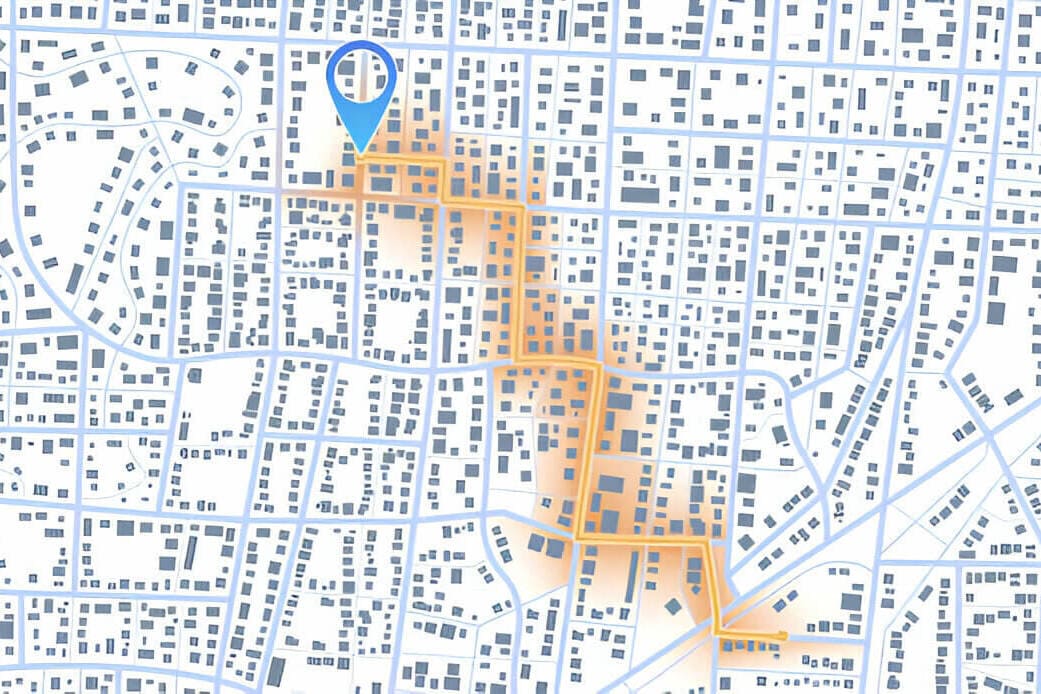
When to use it
As soon as a storm hits and you need to choose where crews should go first.
What changes
Instead of broad storm awareness, your team gets a map view that can guide field movement.
What it does
Hail and Wind Maps
Start with the storm, then zoom into the streets that matter.
See this tool in the product.
- Pick the first neighborhoods to canvass.
- Separate hail-heavy from wind-heavy zones.
- Guide route planning with more confidence.
Why contractors use it
Why this tool matters
Short, direct reasons this tool matters in the field.
- See storm impact with better field context.
- Choose neighborhoods faster.
- Give reps clearer first direction.
Old way vs. better way
Before and after Hail and Wind Maps
Before live maps
Before live maps
- Teams start from static swaths or vague weather context.
- Field movement starts with too much guesswork.
After live maps
After live maps
- The storm is easier to read on the ground.
- Managers can choose where to send crews faster.
Proof and context
See this in the field
See the related case study for an example of faster first-day response.

Apex Roofing Solutions
150+ leadsGenerated within the first 24 hours
Rapid Lead Conversion After a Major Hailstorm
A roofing team used Storm Scout to spot the hardest-hit streets fast and start closing work in the first 24 hours.
See case studyRelated FAQ
Questions about Hail and Wind Maps
How current are the storm maps and alerts?
Storm Scout is built to help teams react faster when storms hit their markets. The best way to judge timing is to review your markets in a demo and compare it to how fast your team needs to move.
Why use Storm Scout instead of a static hail swath or broad canvassing list?
A broad swath shows where the storm passed. It does not tell you which streets to work first. Storm Scout helps you narrow the map with filters so reps spend more time on better roofs and less time wandering a big zone.
How should we think about alerts and deployment timing?
Use alerts as a faster way to spot storm activity in the markets you care about. In the demo, compare alert timing to the way your team actually deploys after storms.
Next step
See how this tool fits your storm sales process.
Book a demo to see the map, filters, and list-building steps for your team.