Best for
Use case
Prioritize wind-damage routes faster
See where wind hit and choose the streets worth working first.
Use case view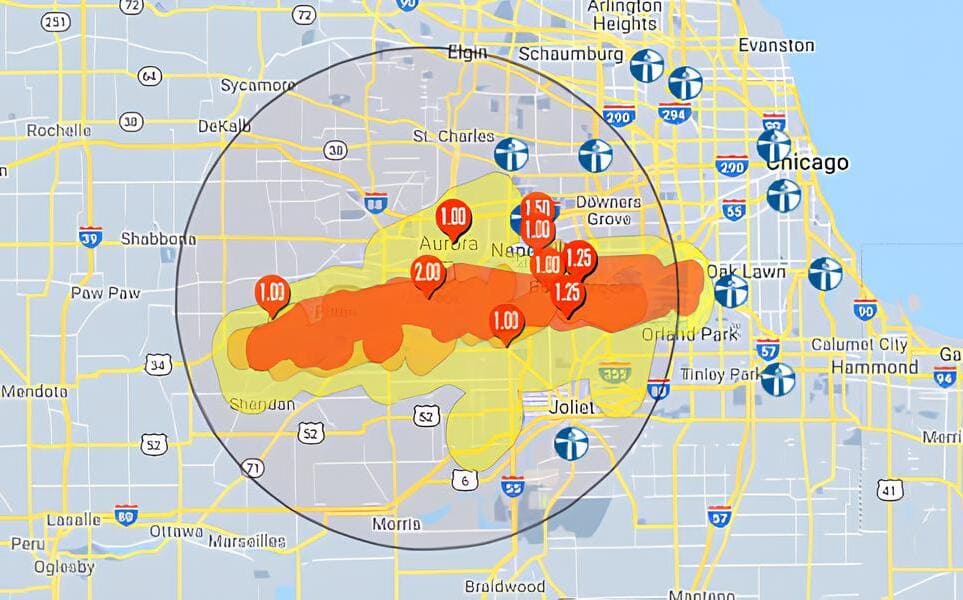
What it replaces
General weather awareness without route clarity.
What changes
Reps get clearer direction on which streets to work first.
What it looks like
Prioritize wind-damage routes faster
Best for teams that need faster wind-event routing.
See the map, filters, and route view together.
- See wind-hit areas with better context.
- Pick the best streets before reps scatter.
- Support faster route planning when time matters.
Old way vs. better way
Before and after this use case
Without wind-damage prioritization
Without wind-damage prioritization
- Teams react to wind events late and route reps with weak territory focus.
- Markets get crowded while managers sort through where crews should go.
With Storm Scout
With Storm Scout
- Storm context and property fit help the team choose better streets sooner.
- Route decisions happen with more confidence and less wasted field time.
Proof and context
Related proof for this use case
See how this use case translated into a reported storm-response result.

Titan Roofing & Restoration
70% less lead-acquisition timeAfter replacing manual prospecting
Scaling Operations with Automated Lead Generation
A roofing team cut manual list-building time and moved into outreach faster after storms.
See case studyRelated buyer questions
FAQ for prioritize wind-damage routes faster
How current are the storm maps and alerts?
Storm Scout is built to help teams react faster when storms hit their markets. The best way to judge timing is to review your markets in a demo and compare it to how fast your team needs to move.
Why use Storm Scout instead of a static hail swath or broad canvassing list?
A broad swath shows where the storm passed. It does not tell you which streets to work first. Storm Scout helps you narrow the map with filters so reps spend more time on better roofs and less time wandering a big zone.
Is Storm Scout better for canvassing teams, inside sales, or managers?
All three can use it. Reps get better streets, inside teams get cleaner lists, and managers get better timing and territory visibility.
Next step
See whether this use case fits your markets.
Review the proof, then talk through territory fit and plan guidance.